
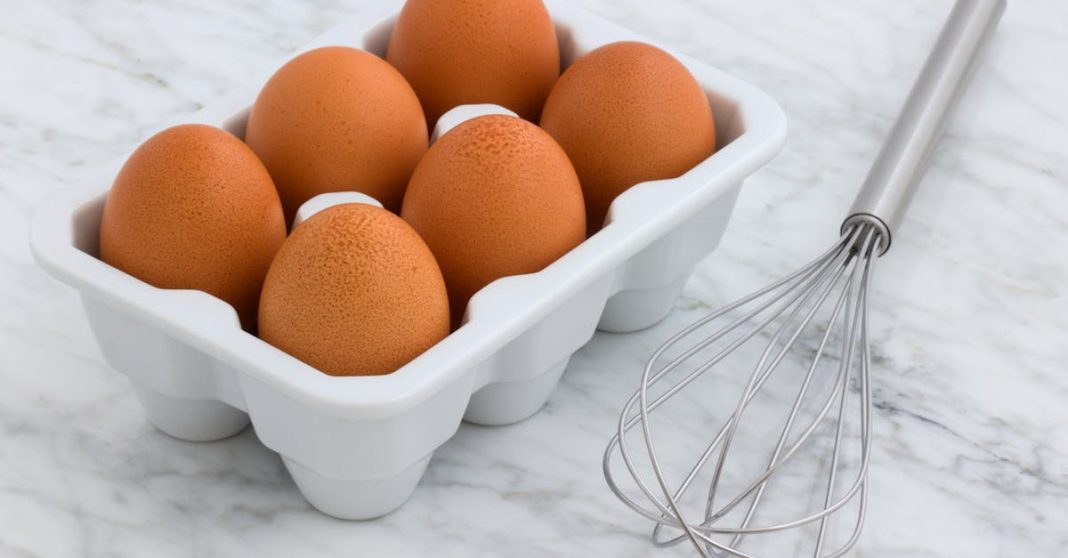

If you’re throwing away your eggshells, you’re literally tossing out free, slow-release fertilizer.
Those brittle white shells in your kitchen trash can quietly improve your soil, support stronger plants, and even help you cut down on garden waste, if you know how to use them correctly. There’s a lot of hype around eggshells in the garden, along with some persistent myths, but when you understand what they actually do, they become a surprisingly powerful tool in your gardening toolkit.
Here’s how to turn a simple kitchen scrap into a steady ally for healthier, more resilient plants.
Why Eggshells Belong In Every Garden
Eggshells are one of those rare “garden inputs” that are effectively free, renewable, and easy to use. If you eat eggs regularly, you already have the raw material. Instead of sending them to the landfill, you can return them to the soil where their minerals belong.
You’re not going to transform poor soil overnight with eggshells alone, but they do play a valuable supporting role:
- They supply calcium, a key nutrient that many fruiting plants crave.
- They act as a very slow-release amendment, feeding your soil over months and even years.
- They help you close the loop in your kitchen–garden system, reducing waste and dependence on store-bought fertilizers.
When you combine eggshells with compost, good watering habits, and thoughtful plant selection, you give your garden a subtle but real long-term boost.
What Makes Eggshells So Beneficial
You’ll hear a lot of grand claims about what eggshells can do for your garden. Some are accurate, some are wishful thinking. To use them well, you need to understand what’s actually inside an eggshell and how it behaves in soil.
Calcium And Other Nutrients In Eggshells
Eggshells are made of about 94–97% calcium carbonate, chemically similar to agricultural lime. The rest includes small amounts of:
- Magnesium
- Phosphorus
- Potassium
- Trace minerals like zinc and copper
Why does that matter for your plants?
- Calcium supports cell walls in plants, which helps prevent issues like blossom end rot in tomatoes and peppers (more on that nuance later).
- It supports root development and helps plants handle environmental stress.
The catch: this calcium isn’t instantly available. It’s “locked” in the shell’s hard structure, and microbes, moisture, and time have to break it down before your plants can use it.
Effect On Soil Structure And pH
Because eggshells are mostly calcium carbonate, they act as a very mild liming agent over the long term.
- In acidic soils, finely ground eggshells can very slowly nudge pH upward.
- In neutral or slightly alkaline soils, the effect is usually negligible if you’re using reasonable amounts.
They also contribute to soil structure in a small but helpful way:
- Larger shell fragments behave like coarse sand or grit, helping keep heavy soils from compacting quite as tightly.
- Fine powder blends into the soil and adds a long-term mineral reservoir.
You won’t use eggshells as your primary way to fix pH or structure, but as a steady background addition, they help build a healthier, more balanced soil over time.
How To Prepare Eggshells For Garden Use
How you handle eggshells makes a big difference. Whole shells or big chunks just sit in the soil for years with barely any impact. Your goal is to maximize surface area so they break down faster and more evenly.
Crushing, Cleaning, And Drying Eggshells
Here’s a simple routine you can follow in your kitchen:
- Rinse the shells quickly after cracking the eggs to remove most of the egg white and yolk residue.
- Spread them out to dry on a plate, tray, or in an open container on the counter. A day or two is usually enough.
- Once dry and brittle, crush them:
- Use your hands to break them into small pieces.
- Or place them in a zip-top bag and roll with a rolling pin.
Drying is important. Moist shells can smell, attract pests, and are harder to crush cleanly.
Grinding Eggshells Into Powder
If you want the fastest nutrient release, take it one step further and grind your eggshells into a powder.
Options:
- Use a dedicated coffee grinder or spice grinder (don’t use the same one for your morning coffee unless you’re okay with a little grit).
- Use a mortar and pestle for a more low-tech approach.
- Pulse in a blender until you get a fine, flour-like texture.
Powdered eggshells:
- Break down much faster in soil and compost.
- Mix more evenly into potting mixes or planting holes.
If you only have time to crush by hand, that’s still useful, but whenever you can, aim for smaller pieces or powder. That’s where the real benefit shows up.
Smart Ways To Use Eggshells Around Your Garden
Once your shells are crushed or powdered, you can weave them into your gardening routine in several practical ways.
Mixing Eggshells Into Compost
One of the best and easiest uses is to add eggshells to your compost pile or bin.
- Sprinkle crushed or powdered shells over kitchen scraps and yard waste.
- Treat them as a “brown” (carbon-leaning) mineral input, not a major nutrient source.
Benefits:
- The shell pieces provide tiny surfaces for microbes to colonize.
- Over time, composted eggshells enrich the finished compost with extra calcium and trace minerals.
Because composting is a long process, eggshells have time to break down more completely before they ever reach your garden beds.
Using Eggshells As A Slow-Release Soil Amendment
You can incorporate eggshells directly into your soil as well:
- Mix a small handful of powdered shells into the planting hole for tomatoes, peppers, eggplants, and brassicas.
- Work shells into the top few inches of soil in raised beds at the start or end of the season.
Think of this as a long-term investment. You’re building a mineral bank account that pays out gradually, season after season.
Eggshells As Seed Starters
You’ve probably seen the cute photos: seedlings popping out of half eggshells lined up in a carton. This isn’t just for looks: it can be functional if you do it carefully.
To use shells as seed starters:
- Crack eggs near the top to leave a deeper cup.
- Rinse the shell and let it dry.
- Poke a drainage hole in the bottom with a pin or small nail.
- Fill with a fine seed-starting mix and sow one or two seeds.
When it’s time to transplant:
- Gently crush the shell in your hand before planting the whole thing, so roots can escape.
Don’t expect major nutrient benefits from this alone, but it’s a neat way to reuse shells and give seedlings a tiny calcium boost as they grow.
Mulching And Pest Deterrent Claims
This is where things get controversial.
You’ll often hear advice to sprinkle crushed shells around plants to deter slugs and snails, with the idea that the sharp edges hurt them. In practice, the evidence is mixed at best.
- Light, coarse shells don’t consistently stop determined slugs.
- Rain and soil quickly dull the edges.
If you like the look of shell mulch, you can still use it:
- Apply a thin decorative layer in pots or at the front of beds.
- Combine it with more reliable slug control methods (traps, barriers, encouraging natural predators).
Just don’t rely on eggshells alone as your slug protection plan. They’re far more useful as a slow-release soil amendment than as a pest deterrent.
Common Myths And Mistakes With Eggshells
Because eggshells are so common and easy to get, a lot of advice about them gets exaggerated. To use them wisely, you need to know what they can’t do as well as what they can.
What Eggshells Cannot Do For Your Plants
Here are a few expectations you should let go of:
- They won’t instantly fix blossom end rot. That problem is often caused by irregular watering or poor calcium uptake, not always a lack of calcium in the soil. Adding shells today won’t save tomatoes that are already affected.
- They won’t rapidly change your soil pH. For that, you’d need finely ground agricultural lime in significant quantities. Eggshells work slowly and subtly.
- They’re not a complete fertilizer. You still need organic matter and a balanced nutrient source (compost, well-made organic fertilizers, etc.).
If you treat eggshells as a supporting player instead of a miracle cure, you’ll be happier with the results.
How Much Is Too Much? Avoiding Overuse
You’d have to work pretty hard to harm your garden with eggshells, but extremes are never helpful.
Watch out for these habits:
- Dumping huge amounts of whole or chunky shells in one spot. They’ll just linger as trash-like debris.
- Adding unlimited powdered shells year after year to a small container without monitoring pH.
A few simple guidelines:
- For garden beds, think in terms of a light handful of powdered shells per square foot per season, mixed into the soil or compost.
- For containers, go lighter, a teaspoon or two per pot, blended into the potting mix.
If you already have naturally alkaline soil, keep additions modest and spread out. When in doubt, get a simple soil test every couple of years to see where your pH and calcium levels actually stand.
Sourcing, Storing, And Safety Tips
Using eggshells in your garden is straightforward, but a few smart habits will keep things clean, safe, and convenient.
Collecting Eggshells In The Kitchen
You don’t need anything fancy to start collecting:
- Keep a dedicated bowl, jar, or small pail near your prep area.
- After cracking eggs, give shells a quick rinse under cool water to remove most residue.
- Drop them into the container to dry.
If you go through a lot of eggs, you can bake shells on a tray at 200–250°F (95–120°C) for 10–15 minutes to dry and lightly sterilize them before storage or grinding.
Storing Eggshells Without Odor Or Pests
Odor and fruit flies are the main complaints people have when storing eggshells. You can avoid both with simple steps:
- Always dry shells thoroughly before putting a lid on any container.
- Store in a breathable container (like a paper bag or open jar) until fully dry.
- Once dried and crushed, you can move them to a sealed jar or tin.
If you ever notice a sour or rotten smell, it usually means some egg residue stayed inside the shell. Just spread the batch on a baking sheet, dry them in a low oven, and they should be fine.
Food Safety And Handling Considerations
Eggshells can carry bacteria on their surface when raw, most notably Salmonella. The risk in the garden is low, but it’s worth handling them sensibly.
- Wash your hands after handling raw shells, especially before touching other foods.
- If you’re using eggshells in ways that might bring them back indoors (like seed-starting setups in your kitchen), consider baking or microwaving the dried shells briefly to kill any lingering pathogens.
- Don’t mix fresh, unwashed shells directly into edible sprouts or microgreens trays.
Once shells have been dried, crushed, composted, and worked into outdoor soil, they’re part of the natural environment and don’t present a meaningful food safety concern.
Conclusion
Eggshells won’t magically turn a struggling garden into a showpiece, but used wisely, they give you something incredibly valuable: slow, steady mineral support, practically for free.
When you:
- Rinse, dry, and crush or powder your shells,
- Fold them into compost and soil instead of dumping them in the trash,
- Use them as a long-term calcium source rather than a quick fix,
…you’re quietly improving your soil’s health year after year.
So the next time you crack an egg, pause before you toss the shell. With almost no extra effort, you can turn that simple kitchen scrap into one more small advantage for your garden, a little nudge toward stronger plants, better soil, and a more sustainable way of growing your own food.
Frequently Asked Questions
How do eggshells help your garden soil over time?
Eggshells act as a free, slow-release fertilizer for the garden. They’re mostly calcium carbonate, which very gradually releases calcium and trace minerals as microbes break them down. Finely crushed or powdered shells can slightly improve soil structure and pH, supporting stronger roots and more resilient plants over multiple seasons.
What is the best way to prepare eggshells for garden use?
For the biggest benefit, rinse eggshells, let them dry completely, then crush or grind them. Whole shells and large chunks break down very slowly. Powdered eggshells from a coffee grinder, blender, or mortar and pestle release nutrients faster and mix more evenly into compost, potting mixes, and planting holes.
How should I use eggshells as fertilizer in my vegetable garden?
Use crushed or powdered eggshells as a gentle, long-term soil amendment rather than a quick fertilizer. Mix a small handful of powder into planting holes for tomatoes, peppers, eggplants, or brassicas, or lightly work shells into the top few inches of garden beds or compost at the start or end of the season.
Can eggshells fix blossom end rot in tomatoes?
Eggshells alone won’t quickly cure blossom end rot. That disorder is usually linked to irregular watering or poor calcium uptake, not just low calcium levels. Because eggshell calcium releases slowly, adding shells now won’t save affected fruit, but they can support long-term soil calcium when combined with consistent watering and good care.
Are eggshells really effective for pest control and slug deterrence?
Crushed eggshells around plants are often recommended to deter slugs and snails, but evidence is mixed. Rain, soil, and time quickly dull sharp edges, so determined slugs may cross anyway. You can use shells as a light decorative mulch, but rely on proven methods like traps, barriers, and habitat for natural predators for slug control.