


You probably think of aloe vera as the green gel you reach for after a sunburn. But that cooling leaf is quietly doing a lot more than soothing irritated skin. From supporting your digestion to freshening your mouth and even helping your houseplants, aloe vera is one of those “how did I not know this?” ingredients.
In this guide, you’ll see why aloe vera is not just for skin. You’ll learn how it works inside your body, how to use it safely, and the surprising ways it can show up in your daily routine beyond a basic skin cream.
What Makes Aloe Vera So Special?
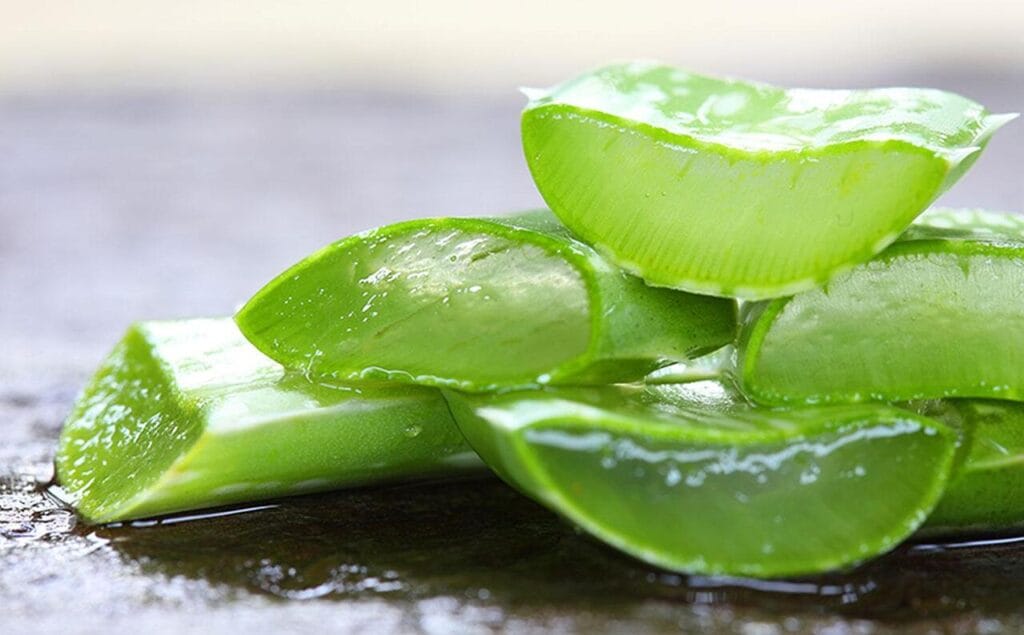
Aloe vera (Aloe barbadensis miller) is a succulent plant with thick, water-rich leaves. When you slice one open, you see two main parts:
- Inner gel – clear, jelly-like substance used for skin, drinks, and supplements.
- Latex (yellow layer under the skin) – bitter layer containing anthraquinones like aloin, which act as strong laxatives.
The inner gel is what most people are talking about when they say “aloe vera gel.” It’s packed with:
- Polysaccharides like acemannan, linked to immune and wound-healing support.
- Vitamins (A, C, E, some B vitamins) and minerals (calcium, magnesium, zinc).
- Amino acids and antioxidants that help protect cells from oxidative stress.
On your skin, that translates to soothing, cooling, and moisturizing. Inside your body, those same compounds may help calm irritation, support your gut lining, and help maintain a healthy balance of microbes.
What really makes aloe vera special is its versatility: the same plant can live in your kitchen, bathroom, and medicine cabinet, and do something different in each place.
Internal Vs. Topical Aloe: What’s The Difference?
Before you start experimenting, you need to know that not all aloe is used the same way.
Topical Aloe (On Your Skin)
This is the most familiar form:
- Uses: Soothing sunburns, minor burns, razor irritation, insect bites, dry or flaky skin.
- Forms: Gels, creams, sprays, masks, and pure leaf gel.
- Key benefits: Cooling, moisturizing, calming redness, supporting wound healing.
Topical aloe gel is generally safe for most people, though a small number of people can be sensitive or allergic. A patch test on your forearm is always smart if you have reactive skin.
Internal Aloe (You Drink Or Swallow It)
This is where aloe vera stops being “just for skin” and starts affecting your whole system:
- Uses: Digestive support, occasional constipation relief, gut lining support, general wellness shots or tonics.
- Forms: Aloe vera juice, inner fillet gel drinks, capsules, powders.
- Key benefits: Gentle laxative effects (depending on type), soothing effect on the GI tract, hydration, and possible microbiome support.
Here’s the crucial difference: internal aloe must be specially processed. Most internal products remove or greatly reduce the yellow latex and aloin to avoid harsh laxative effects and potential safety concerns.
When you’re choosing a product for internal use, always look for phrases like “decolorized,” “inner fillet,” “aloin-free,” or “purified for internal use.” And don’t drink straight gel from a random houseplant leaf unless you 100% know what you’re doing and how to prepare it safely.
Digestive And Gut Health Benefits Of Aloe Vera
If your first association with aloe is after-sun gel, the idea of drinking it might sound strange. But for digestion, aloe vera can actually be a useful tool when used correctly.
Soothing Your GI Tract
Aloe’s polysaccharides can help coat and soothe the lining of your digestive tract. Many people use aloe vera juice (from the inner fillet) to:
- Ease occasional heartburn or indigestion.
- Calm a mildly irritated stomach.
- Support overall gut comfort.
You’ll often see aloe combined with herbs like slippery elm, marshmallow root, or licorice in “gut support” blends for this reason.
Supporting Regularity
At higher doses, aloe latex (the yellow sap under the skin) is a powerful stimulant laxative. Historically it was used for constipation, but because of safety concerns, it’s largely fallen out of favor.
The inner gel products you find on shelves today usually have most of the aloin removed, giving you a milder effect on bowel movements, more like gentle support for regularity plus hydration, not an intense cleanse.
If you’re using aloe for digestion:
- Start with small servings (1–2 oz of aloe juice diluted in water).
- Watch how your body responds over several days.
- Avoid products that still contain high levels of aloin unless advised by a healthcare professional.
And if you have inflammatory bowel conditions, are pregnant, breastfeeding, or on medications, you should talk to a doctor before using aloe internally.
Aloe Vera For Oral Care And Mouth Health
Your mouth is another place where aloe vera is not just for skin-level soothing. It can actually support everyday oral care.
Aloe In Mouthwashes And Toothgels
You’ll find aloe vera in some natural toothpastes and mouthwashes because of its:
- Soothing properties for gums and oral tissue.
- Mild antimicrobial action that can help reduce the buildup of certain bacteria.
- Moisturizing effect, useful if you struggle with dry mouth.
People often use aloe-based mouthwash to:
- Freshen breath without harsh alcohol.
- Calm irritated gums.
- Support minor mouth sores while they heal.
DIY Aloe Mouth Rinse (Simple Version)
You can make a gentle rinse at home:
- Mix 1–2 tablespoons of pure, food-grade aloe vera juice with half a cup of water.
- Optional: add a drop of peppermint essential oil (food-grade) for flavor.
- Swish for 30 seconds, then spit (don’t swallow large amounts).
This isn’t a replacement for brushing, flossing, or regular dental visits, but it can be a nice extra if your mouth feels irritated, especially after dental work or when you’re prone to canker sores.
If you notice burning, numbness, or any odd reaction, stop using it and check with your dentist.
Hair, Scalp, And Personal Care Uses Beyond Skin Creams
Aloe vera belongs in your bathroom cabinet for more than after-sun gel. It can slide into your hair and personal care routine pretty easily.
For Your Hair And Scalp
Aloe gel is naturally lightweight, hydrating, and slightly slippery, which makes it helpful for:
- Dry, itchy scalp: Massage aloe gel directly into your scalp, leave for 15–20 minutes, then shampoo.
- Flaky scalp: Its soothing and mildly antimicrobial properties can help calm irritation that contributes to flakes.
- Frizz control & curl definition: Aloe-based styling gels can give light hold and definition without crunch.
You can also:
- Mix aloe gel with a few drops of argan or jojoba oil and apply mid-lengths to ends as a pre-wash treatment.
Feminine And Personal Care
Because aloe vera is gentle and soothing, you’ll see it in:
- Intimate washes and lubricants.
- Aftershave gels for sensitive areas.
- Soothing wipes for travel.
If you use aloe in personal care:
- Choose products specifically labeled for that area (pH-balanced, gynecologist-tested when relevant).
- Avoid heavily perfumed formulas if you’re sensitive.
In all of these uses, aloe shines because it hydrates and soothes without feeling heavy or greasy, perfect for places where your skin and scalp are easily irritated.
Household, Gardening, And First-Aid Uses Of Aloe Vera
Here’s where aloe vera lives up to the “incredible uses” promise. Once you have a healthy plant at home, you can lean on it for quick fixes.
Natural First-Aid Helper
Fresh aloe gel is a classic for:
- Minor kitchen burns (like touching a hot pan). Cool the area under water first, then apply aloe.
- Small cuts and scrapes: Clean the wound, then dab on a thin layer to help keep it moist and protected.
- Insect bites and mild rashes: The cooling effect can reduce itching and redness.
It’s not a replacement for medical care or disinfectant, but as a follow-up once the area is clean, it’s a nice ally.
In Your Home And Garden
If you like a more natural household, aloe vera fits in well:
- Leaf shine for houseplants: A tiny bit of diluted aloe gel on a cloth can gently shine broad leaves.
- Rooting helper: Some gardeners dip cuttings in diluted aloe gel before planting to support rooting and reduce stress.
- Green decor + low maintenance: Aloe plants are hardy, drought-tolerant, and look great on a sunny windowsill.
Just remember: aloe plants are mildly toxic to pets if ingested in quantity, so if your cat likes to chew leaves, keep the plant out of reach.
How To Choose, Store, And Safely Use Aloe Vera
With so many aloe products out there, you want to be selective. Here’s how to do it wisely.
Choosing Aloe Products
For topical use (skin, hair, scalp):
- Look for high aloe content (it should be near the top of the ingredient list).
- Avoid tons of added fragrance, dyes, or alcohol, especially if you have sensitive skin.
- Choose products labeled “99% aloe” or similar when you want something close to pure gel.
For internal use (drinks, supplements):
- Check the label for “inner fillet,” “decolorized,” or “aloin-free.”
- Make sure it’s food-grade and specifically marked for drinking.
- Prefer brands that list aloin content and follow industry safety standards.
Using Fresh Leaves At Home
If you grow your own aloe and want to use the leaf:
- Cut a mature, thick leaf near the base.
- Stand it upright to let the yellow latex drain out (this helps remove the bitter, laxative part).
- Peel the green skin carefully and scoop out the clear inner gel.
- For topical use, you can apply this gel directly to the skin.
- For internal use, you should be very cautious and ideally consult reliable preparation guides or a professional.
Storage Tips
- Bottled aloe juice: Refrigerate after opening and use within the timeframe on the label.
- Aloe gel (skin/hair): Store in a cool, dark place: refrigerate if you want extra cooling.
- Fresh gel: Keep in an airtight container in the fridge and use within a few days.
Safety Checklist
You should:
- Do a patch test before slathering aloe on large areas of your skin.
- Start low and go slow if you drink aloe, watch for cramping or loose stools.
- Avoid internal aloe products high in aloin if you’re pregnant, breastfeeding, have kidney disease, or take medications that affect your kidneys, heart, or electrolytes.
If anything feels off, rash, swelling, breathing trouble, severe cramps, stop using aloe and get medical advice.
Used thoughtfully, though, aloe vera becomes a reliable multitasker instead of just a random after-sun gel in your cabinet.
Conclusion
When you zoom out, aloe vera is clearly not just for skin. You can use it to:
- Soothe your digestive system and support gut comfort.
- Calm your mouth and gums with gentle rinses and toothgels.
- Hydrate your hair and scalp, and support personal care in sensitive areas.
- Handle minor first-aid situations and even help in the garden.
The key is using the right type of aloe for the job, respecting its strength, and paying attention to your body’s feedback. If you do that, you’ll get far more from this humble succulent than the occasional sunburn relief.
Next time you see a bottle of aloe vera, or a spiky plant on someone’s windowsill, you’ll know it’s not just a decorative cactus look‑alike. It’s one of the most flexible, low-effort wellness tools you can add to your routine.
Frequently Asked Questions About Aloe Vera Uses
What does the phrase “Aloe Vera – Not Just for Skin Incredible Uses” really mean?
“Aloe Vera – Not Just for Skin Incredible Uses” highlights that this succulent isn’t only for sunburn relief. Properly prepared aloe vera can also support digestion and gut comfort, oral health, hair and scalp hydration, gentle personal care, minor first‑aid needs, and even household and gardening tasks.
How can I safely use aloe vera internally for digestion and gut health?
For internal use, choose food‑grade aloe vera juice labeled “inner fillet,” “decolorized,” or “aloin‑free.” Start with 1–2 ounces diluted in water and see how your body responds. Avoid high‑aloin products, and talk to your doctor first if you’re pregnant, breastfeeding, or have digestive or kidney conditions.
Can aloe vera help with mouth health and fresh breath?
Yes. Aloe vera in toothgels and mouthwashes can soothe gums, lightly reduce certain bacteria, and add gentle moisture, which may help with dry mouth and breath freshness. You can also make a simple rinse with food‑grade aloe juice and water, but it should complement—not replace—brushing, flossing, and dental checkups.
What are some aloe vera uses for hair, scalp, and personal care?
Aloe gel can hydrate a dry or itchy scalp, help calm flakes, and provide light frizz control or curl definition without heaviness. It’s also used in intimate washes, lubricants, and aftershave gels for sensitive areas. Choose pH‑balanced, minimally fragranced products specifically formulated for those uses to avoid irritation.
Can I use aloe vera directly from my plant on my skin and in drinks?
You can apply inner gel from a mature leaf to clean skin for minor burns, bites, or dryness. For internal use, be much more cautious: drain off the yellow latex, peel thoroughly, and only consume small amounts if you fully understand safe preparation. Commercial, food‑grade products are usually safer options.
Is drinking aloe vera good for weight loss or detox?
Evidence for aloe vera as a weight‑loss or “detox” cure is limited. Aloe with aloin acts as a strong laxative, which can be risky and isn’t true fat loss. Safer, decolorized aloe juice may support digestion and hydration but should only be one small part of a balanced, long‑term health plan.