
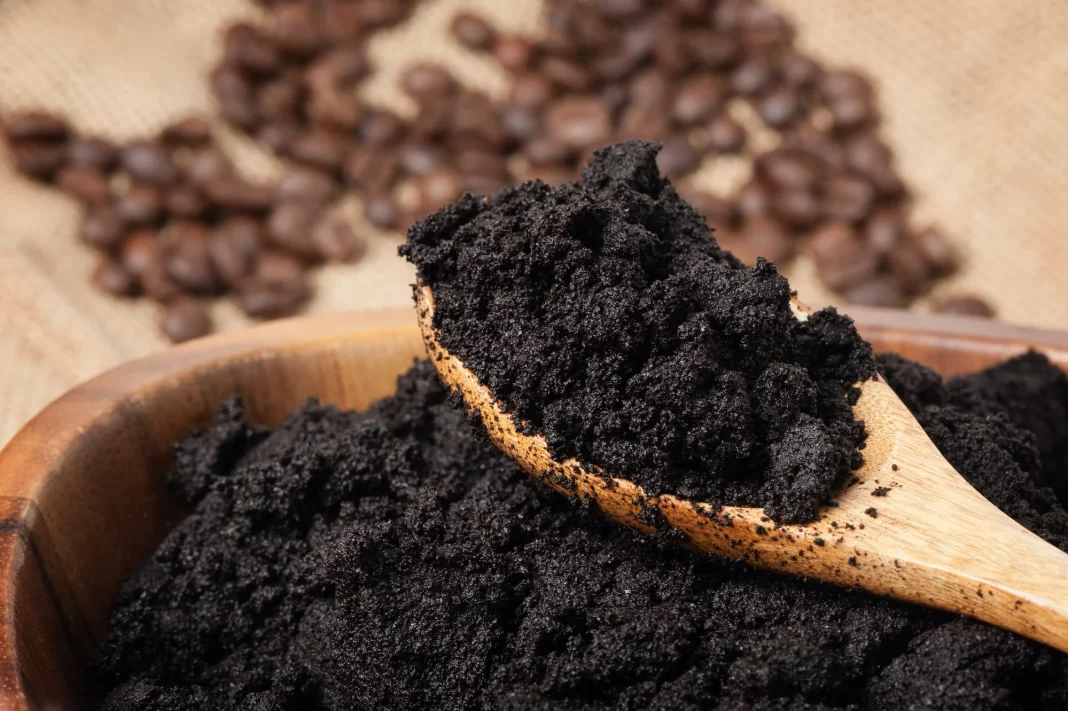

If you drink coffee every day, you’re sitting on a small gold mine, of used coffee grounds. Instead of tossing them in the trash, you can turn those leftover grounds into a surprisingly powerful tool for your garden, indoor plants, and even your home.
You’ll learn exactly how to use coffee grounds for plants, how to store them safely, and 10 smart ways to put them to work, from boosting soil health to fighting odors in your kitchen. Once you see what they can do, you’ll never look at your morning brew the same way again.
Why Save Coffee Grounds Instead Of Throwing Them Away
Used coffee grounds are more than just brown sludge in a filter. They’re a nutrient-rich organic material that can:
- Improve soil structure and drainage
- Add organic matter that feeds beneficial microbes
- Supply small amounts of nitrogen, potassium, and other trace minerals
- Help reduce household waste headed to landfills
When coffee grounds end up in the trash, they usually get mixed with other waste and decompose in landfills without enough oxygen. That can contribute to methane, a potent greenhouse gas. But when you use coffee grounds in your garden or home, you’re recycling a free resource instead.
A quick myth-buster: people often assume coffee grounds are extremely acidic. Fresh, unused grounds can be: used coffee grounds (the ones that have gone through your machine) are usually closer to neutral, though they may still slightly favor acid-loving plants. That makes them more versatile than many gardeners think.
Bottom line: if you already drink coffee, you’re paying for this resource anyway. Saving your grounds lets you cut waste, enrich your soil, and solve a few household problems at the same time.
How To Prepare And Store Used Coffee Grounds Safely
Before you start sprinkling coffee grounds on every plant in sight, you need to handle them the right way. Improperly stored grounds can grow mold or turn slimy.
Step 1: Drain Excess Moisture
Right after brewing:
- Remove the filter or grounds from your machine.
- Spread them out on a tray, baking sheet, or plate.
- Let them air-dry for several hours (or overnight) until they’re just slightly damp or fully dry.
Wet, compacted grounds are more likely to turn funky. Giving them some air is the easiest way to avoid that.
Step 2: Choose The Right Container
Once your grounds are mostly dry, store them in:
- A wide-mouth glass jar or plastic container with a loose lid
- A paper bag (great for grounds headed to compost)
- A bucket with a breathable lid if you produce a lot
If the lid is totally airtight, open it occasionally to release trapped moisture. You don’t want condensation forming on the inside.
Step 3: Use Or Freeze Within A Reasonable Time
For gardening and household uses, try to:
- Use fresh, dried grounds within 1–2 weeks if stored at room temperature.
- For longer storage, keep thoroughly dried grounds in the freezer in a sealed bag or container.
Check for fuzzy white, green, or black spots before using, those are signs of mold. A bit of harmless white fungal growth can appear on grounds in compost or soil, but if it smells off or looks heavily molded, skip it.
Preparing and storing coffee grounds this way keeps them safe, effective, and ready for all the uses you’re about to try.
Hidden Outdoor Garden Uses For Coffee Grounds
Outdoors is where used coffee grounds really shine. Instead of treating them like fertilizer you dump straight on top, think of them as a soil-building ingredient you mix in.
Use #1: Boost Soil Structure And Organic Matter
Coffee grounds add organic matter that helps:
- Loosen heavy clay soils so roots can breathe
- Improve drainage while still holding moisture
- Give beneficial microbes something to feed on
How to use them:
- Sprinkle a thin layer (no more than ¼ inch) over garden beds.
- Mix lightly into the top 2–3 inches of soil with a hand fork.
- Or combine grounds with shredded leaves or grass clippings, then work that blend into your beds.
Avoid dumping thick layers of pure grounds. When compacted, they can form a crust that sheds water rather than absorbing it.
Use #2: Feed Compost Piles As A Nitrogen-Rich “Green”
In composting, you balance “greens” (nitrogen) and “browns” (carbon). Used coffee grounds count as a green, similar to kitchen scraps or fresh grass clippings.
How to add coffee grounds to compost:
- Toss grounds (and paper coffee filters) right into your compost bin.
- Aim for grounds to be no more than about 20–25% of your total pile.
- Layer them with dry leaves, shredded paper, or cardboard.
This balance prevents your pile from becoming too wet and smelly. The result: a faster, hotter compost process and a rich, crumbly finished compost your plants will love.
Use #3: Attract Earthworms To Improve Your Beds
Earthworms are like free, underground gardeners. They tunnel, aerate the soil, and leave behind castings rich in nutrients.
Worms are naturally attracted to organic materials like used coffee grounds. To encourage more worm activity:
- Mix a small handful of grounds per square foot into the top layer of soil in your beds.
- Add coffee grounds to your worm bin if you do vermicomposting (in moderation, mixed with other bedding).
Over time, you’ll usually see more worm activity where you regularly add organic matter, including coffee. More worms = better soil structure and fertility.
Use #4: Gently Feed Acid-Loving Plants
While used coffee grounds aren’t as acidic as fresh grounds, they still tend to slightly favor acid lovers and add mild nutrition.
Plants that may appreciate coffee grounds include:
- Blueberries
- Azaleas and rhododendrons
- Camellias
- Hydrangeas (especially if you’re encouraging bluer blooms in some varieties)
How to apply:
- Mix a small amount of grounds into the soil around the root zone (again, thinly and blended in).
- Or add grounds to compost and use that compost as mulch.
Don’t overdo it. You’re not trying to replace a balanced fertilizer, just adding gentle organic matter that slightly supports acid-preferring plants.
Use #5: Deter Slugs, Snails, And Some Pests Naturally
Many gardeners swear by coffee grounds as a mild pest deterrent, especially for slugs and snails. The rough texture and caffeine content are thought to make the area less appealing.
Ways to try this:
- Sprinkle a thin ring of used, dry grounds around vulnerable plants like lettuce or hostas.
- Refresh the barrier after heavy rain or watering.
Be realistic: this isn’t a bulletproof pest control solution, but it can be one layer in a more natural strategy that also includes hand-picking, traps, and habitat management.
Always observe how your own garden responds. If you notice any plant stress or soil crusting, cut back on how much you’re using and mix grounds into compost instead of applying them directly.
Hidden Indoor Plant Uses For Coffee Grounds
Coffee grounds aren’t just for outdoor beds. Used correctly, they can give your indoor plants a gentle boost too.
Use #6: Create A Mild Indoor Plant Fertilizer
You don’t want to dump scoopfuls of coffee grounds on your houseplants: that can compact the soil and lead to fungus gnats or mold. Instead, turn a small amount into a mild, organic-style feed.
Two easy options:
- Coffee Ground Tea
- Add 1–2 tablespoons of used grounds to a quart of water.
- Let it sit for 24 hours, then strain.
- Use the diluted “tea” to water non-sensitive houseplants once a month.
- Compost-Blend Topdressing
- Mix coffee grounds into finished compost at about 1 part grounds to 3–4 parts compost.
- Add a thin layer of this mix on top of potting soil, then water in.
This way, you’re using coffee grounds as a supporting ingredient, not the star of the show.
Use #7: Refresh Potting Mix When Repotting
When you repot, you have the perfect chance to sneak in a little organic matter.
How to do it safely:
- For every 4 parts fresh potting mix, add up to 1 part well-dried, used coffee grounds.
- Blend thoroughly so the grounds are evenly distributed.
- Avoid this mix for very sensitive plants (like some succulents and cacti) that prefer lean, gritty soil.
This small addition helps:
- Improve the texture of peat-based mixes
- Provide a little slow-release nitrogen as the grounds break down
- Encourage microbial life in the pot
Just don’t use grounds as a decorative top layer. A layer of wet grounds on top of potting soil is an open invitation for fungus gnats and mold indoors.
Surprising Household Uses Beyond The Garden
Used coffee grounds can do more than help your plants. They’re also handy around your home as a natural deodorizer and gentle abrasive.
Use #8: Deodorize Fridges, Shoes, And Trash Cans
Coffee grounds naturally absorb and mask odors. Instead of buying commercial deodorizers, you can use what you already have.
To deodorize:
- Fridge or freezer: Place dried used grounds in a shallow, open container. Swap them out every 2–3 weeks.
- Shoes: Fill a clean sock or small cloth bag with dry grounds, tie it off, and tuck it into shoes overnight.
- Trash cans: Sprinkle a thin layer of dried grounds at the bottom of the bin, under the bag, to help absorb lingering smells.
Just make sure the grounds are completely dry first, or you might trade one odor problem for another.
Use #9: Scrub Pots, Pans, And Grimy Surfaces
Used coffee grounds act like a mild scouring powder. They’re abrasive enough to help remove stuck-on grime, but not so harsh that they destroy most surfaces.
Try them on:
- Greasy pots and pans (not nonstick: avoid scratching the coating)
- Oven racks
- Grill grates
- Stained outdoor tools or buckets
How to use:
- Mix a spoonful of grounds with a bit of dish soap or water.
- Scrub with a sponge or cloth.
- Rinse thoroughly so no brown residue remains.
Always test on a small, inconspicuous area first, especially on delicate surfaces like light-colored countertops or enamel.
Use #10: Make Simple DIY Odor-Absorbing Sachets
If you like things tidy and contained, turn your used coffee grounds into DIY sachets you can tuck anywhere that needs freshening.
You’ll need:
- Fully dried used coffee grounds
- Small fabric bags, old socks, or cheesecloth
- String or rubber bands
Steps:
- Fill each bag or cloth square with a few tablespoons of grounds.
- Tie or seal it securely.
- Place sachets in drawers, closets, gym bags, cars, or near litter boxes.
Replace them every few weeks or whenever you notice the coffee scent fading.
These sachets won’t smell strongly like a coffee shop: they’ll mostly neutralize other odors and leave a faint, pleasant aroma instead.
Simple Coffee Ground Projects To Try This Weekend
To put all these coffee ground uses into action, you don’t need anything fancy. You can start with what you already have at home.
Here are a few easy mini-projects you can tackle this weekend:
- Garden Soil Boost Session
- Collect a bowl of used, dried grounds from the past few days.
- Mix them with shredded leaves or dry grass clippings.
- Lightly work the blend into one flower bed or veggie bed to test how your soil and plants respond.
- Compost Power-Up
- If you have a compost bin, add a layer of grounds and your used paper filters.
- Cover with a thicker layer of dry browns (leaves, paper, or cardboard).
- Give the pile a quick turn to mix in some air.
- Indoor Plant Refresh
- When repotting one houseplant, mix a small amount of dried grounds into fresh potting soil.
- Or make a quart of “coffee ground tea” and water a few hardy, non-sensitive plants.
- DIY Deodorizer Kit
- Dry a tray of used grounds in the oven on low (around 200°F) for 20–30 minutes, then cool.
- Make one open jar for your fridge and one sachet for a pair of shoes or your gym bag.
- Test A Natural Pest Barrier
- Around one slug-prone plant outside, sprinkle a thin ring of dry grounds.
- Check it after a few days to see whether there’s a noticeable difference in slug damage.
By trying a few of these small projects, you’ll quickly see which coffee ground uses make the biggest difference for your plants and your home. Then you can scale up the ones that work best for you.
Conclusion
Your morning coffee doesn’t have to end with an overflowing trash can. With a little preparation, those used grounds become a versatile tool for your garden, indoor plants, and home.
You’ve seen 10 hidden coffee ground uses, from improving soil structure and feeding compost, to gently supporting acid-loving plants, to scrubbing pans and absorbing stubborn odors. The key is to use coffee grounds in moderation, mix them with other materials, and avoid thick, compacted layers that can cause problems.
Next time you brew a pot, set the filter aside instead of throwing it out. Try one garden use and one household use this week. You’ll waste less, help your plants, and get more value out of something you were already buying anyway, just by rethinking what “used” coffee grounds can do for you.